Whether you’re opening your first location, scaling operations, or investing in commercial property, the broker you choose can directly impact your outcome. In North Carolina, especially in high-growth regions like the Triangle, Sanford, and Chatham County, commercial real estate carries layers of complexity that go far beyond residential deals.
So what should you actually expect from a commercial real estate broker?
Here’s a clear, structured overview of the value a professional broker should bring to your business or investment strategy.
The True Role of a Commercial Real Estate Broker
A commercial broker isn’t just there to unlock doors and show listings. They function as your strategic advisor, negotiator, and deal manager from the first conversation to closing day.
Whether you’re leasing, buying, or selling, your broker should:
- Understand your business goals, not just your budget
- Identify the right property type and location
- Analyze financials and uncover potential risks
- Negotiate terms that work in your favor
- Manage the entire transaction through closing
If you’re weighing your options, it’s worth understanding how a full-service team supports your strategy through commercial real estate services.
Deep Market Knowledge Across Central North Carolina
One of the biggest advantages a commercial broker brings? Local insight that actually means something.
Commercial real estate trends vary widely across Central North Carolina:
- Triangle (Raleigh, Durham, Chapel Hill): A mature growth market with a diverse economy and ongoing development, though demand shifts depending on sector and submarket
- Sanford & Lee County: Positioned between major employment hubs and increasingly on the radar for businesses and developers
- Chatham County / Moncure: Rapidly gaining traction due to large-scale economic development and long-term infrastructure investments
- Fayetteville / Fort Bragg: Stable commercial activity driven by military presence and service industries
- Harnett County (Lillington): An emerging market, often offering lower entry costs compared to neighboring areas
A strong broker doesn’t just hand you listings. They help you interpret what’s happening in these markets and how it connects to your long-term strategy.
Property Search & Strategic Site Selection
Finding a property? That’s easy.
Finding the right property, the one that actually supports your business, is where expertise comes in
Your broker should go beyond surface-level listings and help you:
- Identify ideal trade areas based on your business model
- Analyze traffic flow, demographics, and accessibility
- Compare lease vs. purchase scenarios
- Tap into off-market opportunities not publicly listed
Financial Analysis & Deal Structuring
Commercial real estate is driven by numbers. And your broker should be fluent in all of them.
Expect support with:
- Evaluating lease structures (NNN, gross, modified gross)
- Breaking down total occupancy costs
- Analyzing return potential for acquisitions
- Comparing financing strategies
- Understanding long-term financial impact
For investors, this means identifying income-producing assets that actually perform. For tenants, it means avoiding hidden costs that chip away at profitability.
Expert Negotiation & Representation
This is where a great broker earns their value.
Your broker represents your interests whether you’re:
- A tenant leasing space
- A buyer acquiring property
- A landlord or seller
A skilled broker will:
- Negotiate lease rates and concessions
- Help secure tenant improvement allowances
- Structure favorable contract terms
- Minimize your exposure to risk
In competitive submarkets, this becomes even more critical. Without strong representation, it’s easy to lose leverage.
Leasing vs. Buying: Strategic Guidance
At some point, most business owners hit this question:
Should I lease or buy commercial property?
A good broker won’t push you in one direction. Instead, they’ll walk you through both options, factoring in your goals, capital, and current market conditions.
If leasing makes more sense, your broker should guide you through available opportunities within the commercial real estate for lease market.
Due Diligence & Risk Protection
Commercial transactions come with real risk and far more complexity than residential deals.
Your broker plays a critical role in helping you evaluate that risk before you commit.
This includes:
- Coordinating inspections and property assessments
- Reviewing zoning and land use regulations
- Identifying red flags early
- Ensuring compliance with local requirements
In fast-developing areas, zoning and long-term planning can dramatically affect your investment. Missing these details can be costly.
Managing the Deal From Start to Finish
A commercial transaction isn’t a solo effort. It involves multiple moving parts and multiple stakeholders.
Your broker should act as the central coordinator, working with:
- Attorneys
- Lenders
- Inspectors
- Contractors
- Local municipalities
From the initial strategy to final signatures, they keep the process organized, aligned, and moving forward.
Access to Off-Market Opportunities
Here’s something many people overlook: some of the best deals are never listed publicly.
Experienced brokers often have:
- Direct relationships with property owners
- Early insight into upcoming availability
- Access to off-market or pre-market deals
In tight or high-demand markets, this kind of access can make all the difference.
Common Mistakes Without a Commercial Broker
Trying to navigate commercial real estate alone can seem cost-effective, but it often leads to expensive missteps.
Common pitfalls include:
- Overpaying for space or property
- Choosing the wrong location
- Missing critical lease or contract terms
- Underestimating total costs
- Losing negotiating leverage
In most cases, the risks of going without representation outweigh any perceived savings.
Work With a Commercial Broker Who Understands North Carolina
North Carolina continues to attract businesses, investors, and developers across multiple regions. But navigating this environment takes more than browsing listings; it requires strategy.
The right broker helps you:
- Make smarter location decisions
- Structure stronger deals
- Avoid unnecessary risk
- Align real estate decisions with long-term business goals
Ready to Take the Next Step?
Whether you’re leasing space, expanding operations, or investing in commercial property, the right guidance can create a measurable advantage.
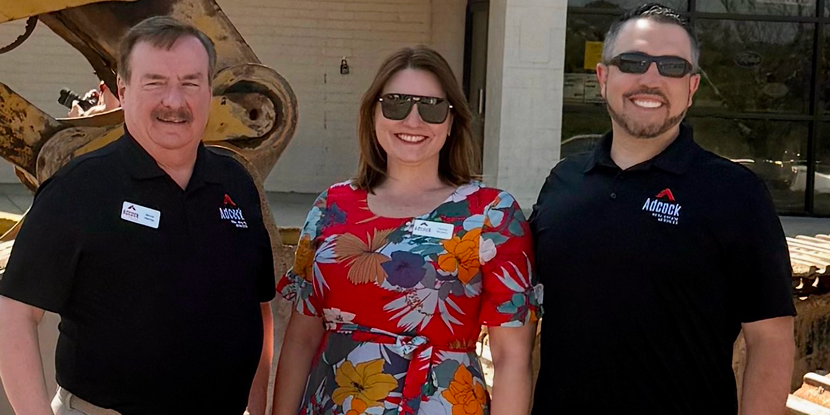
Connect with Adcock Real Estate Services to discuss your goals and explore opportunities across Central North Carolina through our commercial real estate services.
FAQs About Commercial Real Estate Brokers
Do I need a commercial broker to lease space?
While not required, having representation helps level the playing field, especially since landlords are typically represented by experienced brokers.
Who pays the commercial real estate broker?
In many transactions, the commission is paid by the landlord or seller and shared between brokers.
What’s the difference between residential and commercial brokers?
Commercial brokers specialize in business-focused transactions, investment analysis, and more complex contracts.
How early should I contact a broker?
Ideally, 6 to 12 months before your intended move or purchase to allow time for planning and negotiations.
Can a broker help with site selection in North Carolina?
Yes. Brokers track local trends, development patterns, and infrastructure changes that can influence location decisions.