If you’re thinking about moving to Fayetteville, North Carolina, you’re in good company. Located in Cumberland County and widely known as the home of Fort Bragg, Fayetteville continues to attract military families, working professionals, retirees, first-time buyers, and others seeking a more affordable place to live in Central North Carolina.
Of course, relocating is about more than picking a house and scheduling a moving truck. You need to understand housing costs, neighborhoods, schools, job opportunities, commute patterns, and what everyday life actually feels like once you get there.
This guide walks through what you should know before relocating to Fayetteville so you can make a smarter, more confident move.
Where Is Fayetteville Located?
Fayetteville sits in southeastern North Carolina along the Cape Fear River. Its location gives residents practical access to several major destinations across the state without placing them directly inside a larger, more expensive metro area.
Approximate driving times include:
- Raleigh: 60–75 minutes
- Sanford: 40–50 minutes
- Southern Pines: 40 minutes
- Wilmington: 90–120 minutes
- Charlotte: Approximately 3 hours
That central positioning is one of Fayetteville’s biggest advantages. You can reach larger employment centers, airports, beaches, golf destinations, and cultural hubs while still living in a market that is typically more affordable than many of North Carolina’s faster-growing cities.
The city is also strongly shaped by Fort Bragg, one of the largest military installations in the world. Its presence influences Fayetteville’s economy, housing market, local businesses, and population in a way few other factors can.
Understanding the Cost of Living in Fayetteville
Affordability is one of the main reasons people consider relocating to Fayetteville.
According to data from BestPlaces and multiple cost-of-living indexes, Fayetteville’s overall cost of living is generally below the national average, especially for housing. For buyers and renters coming from higher-cost markets, that difference can be meaningful.
While costs change over time, newcomers often find:
- Home prices are lower than in many parts of the Triangle.
- Competitive rental rates compared to larger North Carolina metros
- Reasonable transportation and utility costs
- Lower everyday expenses than some rapidly growing urban markets
That said, affordability is personal. A home that looks like a great deal on paper still needs to make sense for your commute, household size, school preferences, lifestyle, and long-term plans.
For buyers relocating from higher-cost areas such as Raleigh, Cary, or out-of-state markets, Fayetteville may offer significantly more home for the same budget. That extra space, larger yard, or better location can make a real difference.
Source: BestPlaces Cost of Living Index, U.S. Census Bureau regional data.
The Fayetteville Housing Market
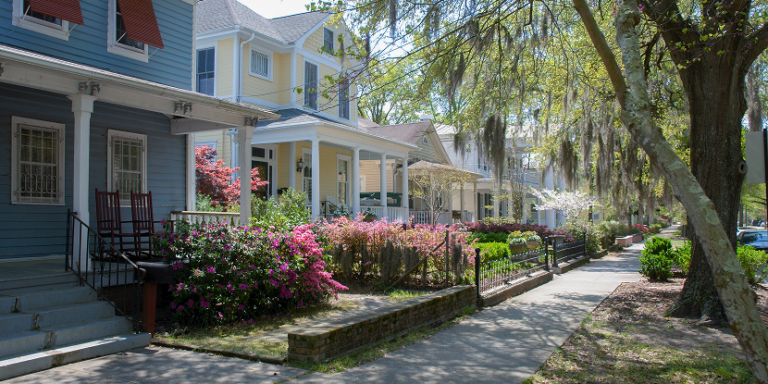
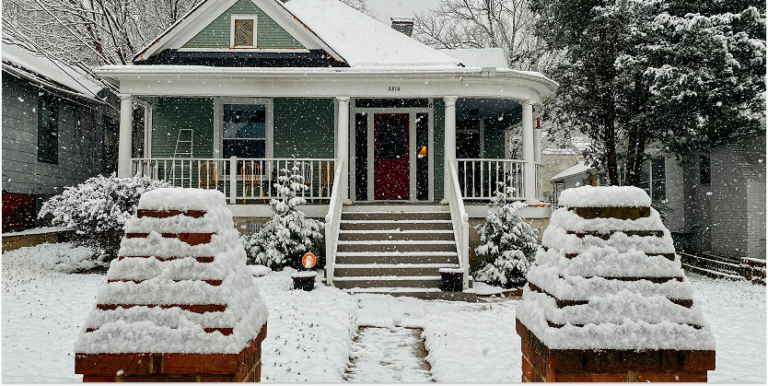
The Fayetteville housing market offers a wide range of options, from historic homes and established neighborhoods to newer subdivisions, townhome communities, and suburban-style developments.
Recent housing market data from Zillow and Redfin shows that median home values and sale prices in Fayetteville generally remain below those found in many Triangle communities. That makes the city especially appealing to first-time buyers, military families, and anyone seeking greater budget flexibility.
Buyers can find:
- Single-family homes
- Townhomes
- New construction communities
- Investment properties
- Luxury homes in select neighborhoods
Market conditions shift throughout the year. Inventory, pricing, days on market, and competition can also look very different from what buyers may experience in Raleigh, Cary, Apex, or other nearby metro markets.
If you’re planning to purchase, working with local experts familiar with Fayetteville real estate can help you understand neighborhood differences, current market conditions, and the opportunities that align with your goals.
Source: Zillow Home Value Index, Redfin Housing Market Data
Fort Bragg’s Influence on the Community
Fort Bragg is one of the defining features of Fayetteville.
According to the U.S. Army, Fort Bragg supports tens of thousands of active-duty service members, civilian employees, contractors, and military families. That kind of presence does not just affect one part of the city. It affects housing, employment, schools, small businesses, and the community’s overall culture.
This military presence impacts the area in several ways:
Housing Demand
Military relocations create steady demand for both rental properties and owner-occupied homes. PCS moves, changing assignments, and family needs all help keep the housing market active.
Local Economy
Defense-related employment plays a major role in Cumberland County’s economy. The impact extends beyond the base itself, supporting contractors, service providers, retailers, restaurants, and many other local businesses.
Community Diversity
People move to Fayetteville from across the country and around the world. That gives the area a broad mix of backgrounds, experiences, cultures, and perspectives.
Business Growth
Many local businesses serve military personnel, veterans, and their families. This connection helps support the region’s economic stability and creates services tailored to the needs of a highly mobile population.
For military families receiving PCS orders, Fayetteville offers something valuable: an established support network and deep experience helping newcomers settle into the community.
Source: U.S. Army Fort Bragg Installation Information.
Employment Opportunities Beyond the Military
Fort Bragg is a major employer, but Fayetteville’s economy is not limited to military-related jobs.
Several key employment sectors help support the broader region:
Healthcare
Cape Fear Valley Health is one of the area’s largest employers and a major healthcare provider for Fayetteville and the surrounding communities.
Education
Cumberland County Schools, Fayetteville State University, Methodist University, and Fayetteville Technical Community College all contribute significantly to local employment.
Government
Federal, state, county, and municipal agencies provide a wide range of career opportunities, from administrative and public safety roles to specialized professional positions.
Retail and Service Industries
As a regional hub, Fayetteville supports a substantial retail, hospitality, restaurant, and service economy. These industries serve local residents, military families, students, visitors, and nearby communities.
Manufacturing and Logistics
Several industrial employers operate throughout Cumberland County and the surrounding areas, adding more variety to the local job market.
Prospective residents should look at both local employment opportunities and regional commuting options before relocating. The right location can depend heavily on where you work, how often you commute, and how much flexibility your schedule allows.
Source: Cumberland County Economic Development, NC Commerce Labor Market Information.
Schools and Educational Options
For families, education is often one of the biggest factors in a relocation decision.
Fayetteville offers several educational pathways, giving families different options depending on their priorities, address, and student needs.
Public Schools
Cumberland County Schools is one of the largest school districts in North Carolina, serving thousands of students across Fayetteville and the surrounding region.
Charter Schools
Several charter school options are available throughout the area, offering additional choices for families researching alternatives to traditional public school assignments.
Private Schools
Families can also choose from a variety of independent and faith-based schools in and around Fayetteville.
Higher Education
The area is home to:
- Fayetteville State University
- Methodist University
- Fayetteville Technical Community College
School assignments vary by address, so it’s important to verify district boundaries, school zones, transportation options, and available programs before purchasing a home. A neighborhood may look perfect, but the details matter.
Source: Cumberland County Schools, NC Department of Public Instruction.
Neighborhoods and Areas to Consider
The right neighborhood in Fayetteville depends on your lifestyle, budget, commute, school preferences, and housing goals.
Some commonly considered areas include:
Haymount
Known for historic homes, mature trees, established streets, and a character that appeals to buyers looking for charm and convenience.
Terry Sanford Area
Popular among families thanks to its central location, access to amenities, and variety of housing options.
Jack Britt Area
Offers newer developments and suburban-style communities, making it a frequent choice for buyers looking for more modern layouts and residential neighborhoods.
Hope Mills
Located south of Fayetteville, Hope Mills provides additional residential options, community amenities, and access to shopping, dining, and outdoor recreation.
Raeford
While technically in Hoke County, many commuters choose Raeford because of its proximity to Fayetteville and Fort Bragg.
Instead of trying to find one universal “best” area, buyers should compare neighborhoods based on what actually matters day to day: commute times, schools, housing inventory, price range, amenities, and lifestyle fit.
Things to Do in Fayetteville
Moving somewhere new means understanding more than the housing market. You also want to know what daily life looks like when you’re off work, out with family, or exploring the community.
Popular attractions and activities include:
Cape Fear River Trail
A multi-use trail that offers opportunities for walking, running, cycling, and enjoying the outdoors.
Downtown Fayetteville
Downtown features local restaurants, shops, events, historic buildings, and community gatherings. It remains one of the city’s most recognizable gathering areas.
Airborne & Special Operations Museum
One of Fayetteville’s most visited attractions, this museum highlights military history, airborne forces, and special operations heritage.
Parks and Recreation
Residents have access to numerous parks, athletic facilities, playgrounds, fields, and outdoor spaces throughout the city and county.
Day Trips
Fayetteville’s location makes it easy to plan trips to beaches, lakes, golf destinations, state parks, and larger metropolitan areas. You are not locked into one lifestyle here, and that flexibility is part of the appeal.
Pros and Cons of Living in Fayetteville
Pros
- Generally lower housing costs compared to many North Carolina metro areas
- Diverse housing inventory
- Strong military and government presence
- Access to regional transportation routes
- A variety of educational institutions
Cons
- Traffic near military facilities can increase during peak times.
- Summer weather can be hot and humid.
- Public transportation options are limited.
- Some amenities found in larger metro areas may require travel.
Like any city, Fayetteville comes with advantages and trade-offs. The question is not whether it is perfect. No city is. The better question is whether its strengths line up with your priorities.
Should You Rent or Buy in Fayetteville?
The answer depends on your timeline, budget, and long-term goals.
Renting may make sense if:
- You’re new to the area.
- You expect a short-term stay.
- You’re waiting to learn more about neighborhoods.
Buying may make sense if:
- You plan to remain in the area for several years.
- You want to build equity.
- Current market conditions align with your budget and objectives.
For many newcomers, renting first can provide time to understand commute patterns, school zones, neighborhood differences, and lifestyle preferences. For others, buying right away may be the better move, especially if they already know the area or have a longer-term plan.
Understanding the home buying process in North Carolina can help you evaluate your options and prepare for the next step with fewer surprises.
Is Fayetteville Right for You?
Fayetteville is not trying to be Raleigh, Charlotte, or Wilmington, and that is part of its appeal.
The city offers:
- Relative affordability
- Military community support
- Diverse housing options
- Regional accessibility
- A mix of urban and suburban living
For many families, military personnel, first-time buyers, professionals, and retirees, Fayetteville provides a chance to put down roots in a community with a unique identity and strong regional connections.
The key is to understand your goals, research neighborhoods carefully, and weigh both the opportunities and trade-offs before making your move. A smart relocation starts with honest expectations.
Planning Your Move to Fayetteville?
Relocating is about more than finding a house. It is about finding the right fit for your lifestyle, career, family, budget, and long-term goals.
Whether you’re relocating for military service, work, retirement, or a fresh start, exploring available opportunities through Fayetteville real estate services can help you make a more informed decision and navigate the transition with confidence.
FAQs
Is Fayetteville, NC, a good place to live?
Fayetteville appeals to many residents because of its affordability, military community, housing options, and regional accessibility. Whether it is a good fit depends on your lifestyle, work, budget, and housing goals.
How far is Fayetteville from Raleigh?
Depending on traffic and your exact destination, Raleigh is typically about 60-75 minutes from Fayetteville by car.
Is Fayetteville affordable compared to other North Carolina cities?
Housing costs are generally lower than in many Triangle markets, though affordability varies by neighborhood, property type, home size, and personal budget.
Should I rent or buy when moving to Fayetteville?
This depends on your timeline, budget, and long-term plans. Many newcomers rent first while they learn the area, then decide where and when to purchase.
What areas should newcomers consider?
Commonly researched areas include Haymount, Jack Britt, Terry Sanford, Hope Mills, and nearby Raeford, though the best fit depends on commute, schools, budget, and individual needs.
Sources Used
- BestPlaces Cost of Living Index – Fayetteville, NC
https://www.bestplaces.net/cost_of_living/city/north_carolina/fayetteville - U.S. Census Bureau QuickFacts – Fayetteville city, North Carolina
https://www.census.gov/quickfacts/fact/table/fayettevillecitynorthcarolina/PST045224 - Zillow Home Value Index – Fayetteville, NC
https://www.zillow.com/home-values/52001/fayetteville-nc/ - Redfin Housing Market Data – Fayetteville, NC
https://www.redfin.com/city/5903/NC/Fayetteville/housing-market - U.S. Army Garrison Fort Bragg Installation Information
https://home.army.mil/bragg - Fayetteville Cumberland Economic Development Corporation – Data & Downloads
https://fcedc.com/data-downloads/ - NC Commerce Labor Market Data & Tools
https://www.commerce.nc.gov/data-tools-reports/labor-market-data-tools/ - Cumberland County Schools
https://www.ccs.k12.nc.us/ - NC Department of Public Instruction– School Report Cards
https://www.dpi.nc.gov/data-reports/school-report-cards